
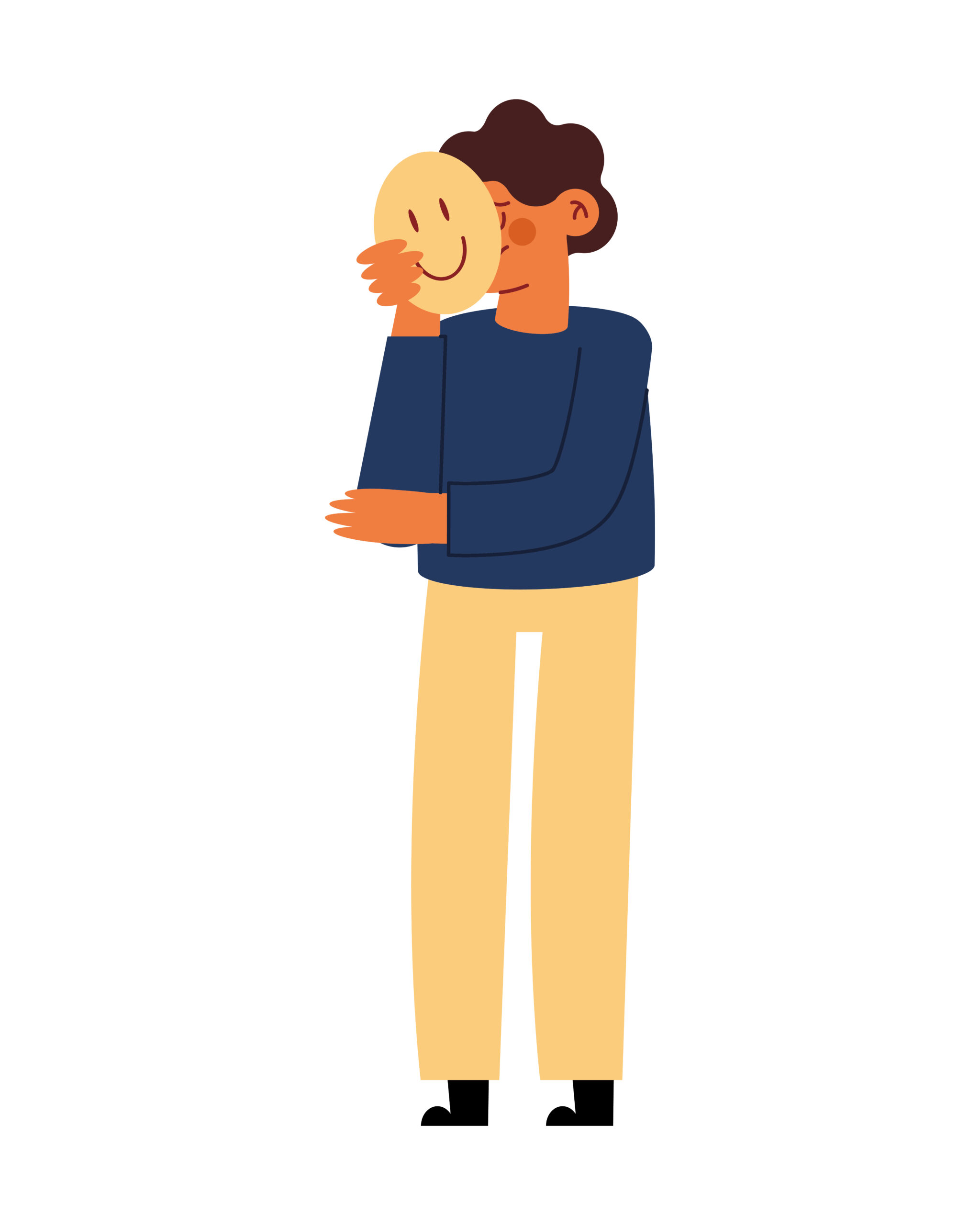
Many of us didn’t learn to suppress our emotions because we were incapable of feeling them. We learned because it felt safer.
From an early age, we pick up subtle and not-so-subtle messages about which emotions are allowed and which are not. Crying is “too much.” Anger is “disrespectful.” Excitement is “attention-seeking.” Asking for help is “a burden.” Slowly, we begin to understand that expressing ourselves honestly can cost us connection.
And for a child, connection is survival.
When our emotions were met with dismissal, punishment, ridicule, or withdrawal, we adapted. We learned to contain what we felt – not because it was wrong, but because it made others uncomfortable or pushed them away.
We became quieter. Easier. More agreeable. We learned to read the room, to anticipate reactions, to manage other people’s comfort before tending to our own inner world. Emotional constraint became a strategy for belonging.
And in many ways, it worked.
We avoided rejection. We stayed connected. We remained “good,” “lovable,” “acceptable.”
But when a child expresses an emotion and the need underneath it isn’t met (when they’re ignored, shamed, or told they’re wrong for feeling what they feel) the child doesn’t conclude, “my needs weren’t supported”. They conclude “something is wrong with me”.
This is how shame is formed.
Not as a conscious belief, but as an embodied sense of “I’m not good enough”. If expressing sadness leads to distance, then sadness must be bad. If anger leads to abandonment, then anger must be dangerous. If joy is met with irritation, then joy must be inappropriate.
Over time, the message internalizes “I’m too sensitive,” I’m not allowed to have needs” or “If I show who I really am, I’ll be abandoned.”
So we don’t just suppress emotions, we suppress parts of ourselves.
And that was me for much of my life. I became a people-pleaser, disguised as easy-going and calm. That was how I learned I needed to be to belong.
Shame doesn’t come from having emotions. It comes from having emotions alone. When feelings are welcomed, mirrored, and responded to, they integrate naturally. When they’re dismissed or punished, they become something to hide.
This is why many adults struggle to name what they feel. It’s not a lack of emotional intelligence, it’s a history of emotional unsafety. The nervous system learned “expression equals danger”.
So the body constricts. The throat tightens. The chest closes. The emotion gets trapped. Not because it’s too big, but because it was never allowed to be held.
Healing doesn’t begin with expressing everything to everyone. It begins with learning that your emotions are not a threat.
I was forced onto a healing path as a result of a cancer diagnosis that I will forever be grateful for. I am grateful because it forced me to reconnect with my REAL self and stop abandoning myself.
But you don’t need to wait for your body to shout at you, as mine did. You can start to listen before that needs to happen by allowing yourself to feel without judgment, not rushing to justify, explain or minimise your needs and letting emotions exist without needing to fix them.
Over time, this internal permission creates a new experience: emotions can move through without destroying connection. From this place, expression becomes a choice rather than a risk. You begin to sense who is safe, when to speak, and how to honour your needs without abandoning yourself.
You didn’t learn to constrain your emotions because you were wrong. You learned because your environment couldn’t hold you.
Your feelings were always valid. Your needs were always human. The adaptation was intelligent but it no longer has to control you.
As you begin to unlearn emotional constraint, you’re not becoming “more emotional.” You’re becoming more whole. And you’re becoming more present.
My book, “Trust”, is available to buy through the following resellers; Amazon, Ingram Spark, Balboa Press. Signed copies are available via my website.
With love as always.
Sarah xx
0 Comments